
Establishing legal fatherhood, building a parenting plan, and setting fair support — handled with clarity and discretion, by the attorney you actually hired.
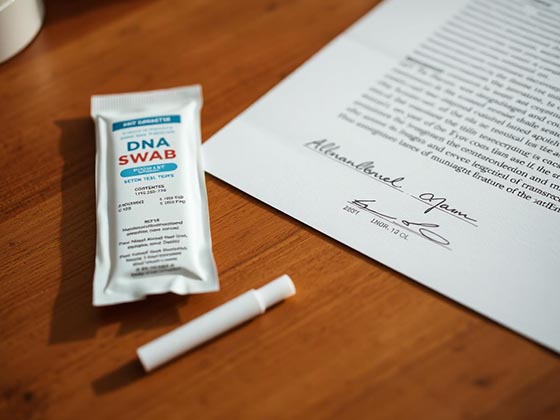
In Florida, paternity can be established voluntarily, administratively, or through a court action. We guide fathers and mothers through DNA testing, acknowledgments of paternity, and petitions to establish — making sure the legal record reflects the truth and protects everyone’s rights from day one.
Establishing paternity is just the start. Once fatherhood is legally recognized, we work to put a parenting plan and time-sharing schedule in place — defining decision-making authority, holidays, weekdays, and the day-to-day rhythm of two homes that share one child.


A paternity case typically resolves child support at the same time, using Florida’s guideline calculation. We make sure incomes, overnights, and expenses are accurate — and we revisit the order later when jobs, schedules, or a child’s needs change.
A few of the things clients ask before reaching out.
Three main ways: (1) marriage at the time of birth, (2) a voluntary acknowledgment of paternity signed by both parents, or (3) a court order — usually after DNA testing — in a paternity action. Once established, the father has the same rights and responsibilities as a married parent.
Until paternity is legally established, an unmarried father has no enforceable right to time-sharing or decision-making, and the child has no legal claim to support, inheritance, or benefits through him. Establishing paternity protects the child and both parents.
Yes. Once paternity is established, fathers can ask the court for a parenting plan and time-sharing schedule. Florida law presumes that frequent and continuing contact with both parents is in the child’s best interest, absent a reason to limit it.
Generally yes — once paternity is legally established, the court will set child support using Florida’s guidelines based on both parents’ incomes, overnights, and qualifying expenses. Support and time-sharing are usually addressed in the same case.
Either parent — or a putative father — can request DNA testing through the court. Results from an accredited lab are typically conclusive. If paternity is established, the court then moves on to time-sharing, decision-making, and support.
Always. Your matter will not be handed off to a junior associate or paralegal. You hired the attorney, so you get the attorney — every call, every signature, every step.
Share a few details and Gabrielle will reach out personally — usually within one business day.
Palm Beach County, Florida
(561) 345-3516